
In short
- Porto: More intimate, more authentic, more affordable. Ideal for wine, gastronomy and the Douro.
- Lisbon: Larger, more cosmopolitan, more festive. Ideal for nightlife, Sintra and nearby beaches.
- First trip: If you’re unsure, Porto wins with its human scale and genuine character.
- Our advice: Combine both with a 2h45 train ride between the two cities.
Porto or Lisbon? It is the question most travellers ask when planning a first trip to Portugal. Both cities are beautiful, rich in heritage and gastronomy, but they offer very different experiences. This comparison covers the strengths of each to help you decide — or combine both.
The atmosphere: intimacy versus cosmopolitanism
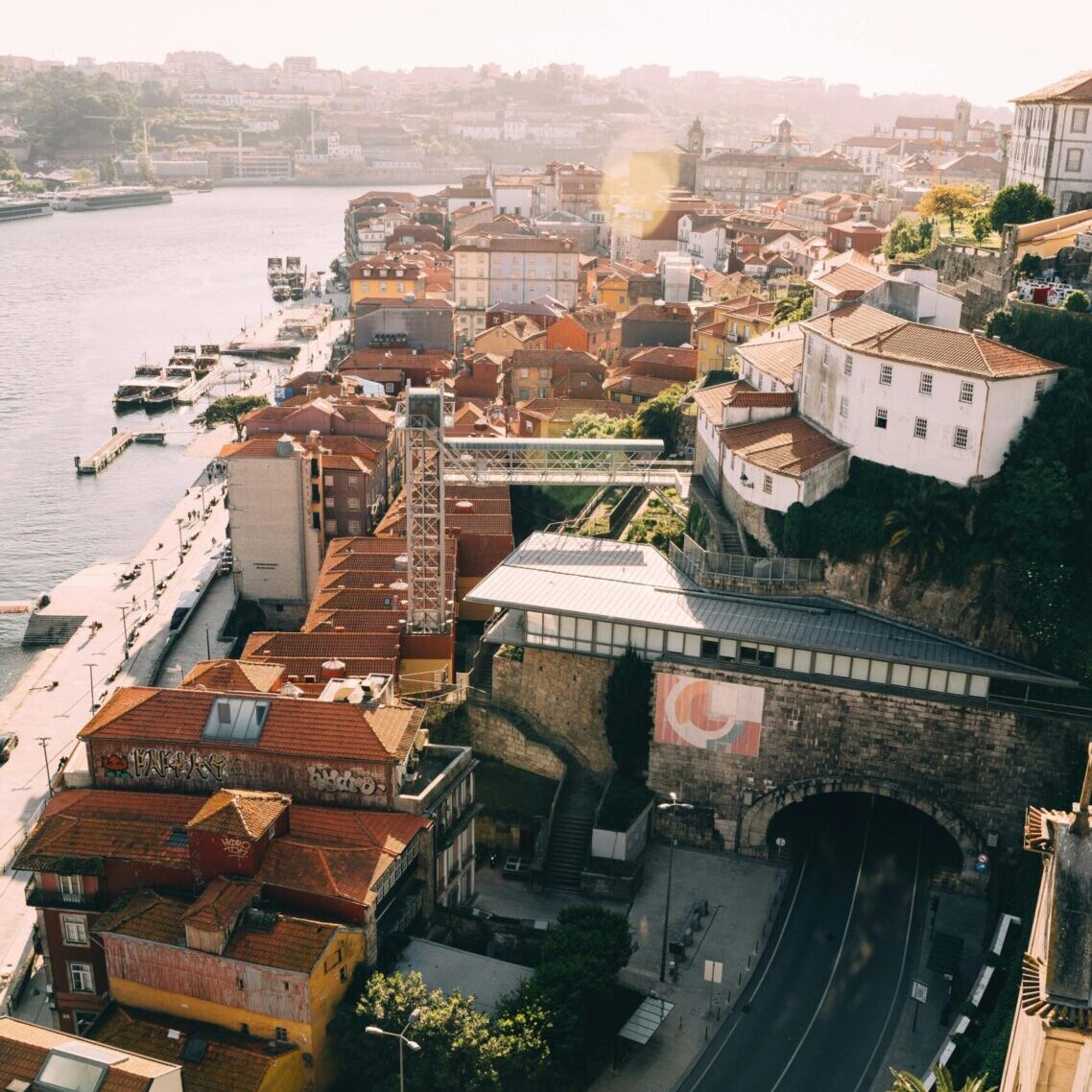
Porto is a city on a human scale. The historic centre can be walked in a single day, locals talk to you spontaneously, and the feel is that of a proud provincial city rooted in its traditions. You sense the granite, the river, the wine. Authenticity is not staged; it is simply there.
Lisbon is a European capital with everything that implies: diversity, energy, sharply contrasting neighbourhoods and a dense nightlife. The city is larger, more international and offers a broader cultural programme (museums, concert halls, festivals). The atmosphere is more cosmopolitan, the pace faster.
Gastronomy: two schools, two pleasures
Porto is the birthplace of the francesinha, tripas à moda do Porto and Port wine. The cooking is generous, earthy and anchored in the traditions of the north. The restaurants of Matosinhos grill the freshest fish in the country. The Gaia cellars let you taste Tawny and Vintage wines you will not find elsewhere.
Lisbon shines through diversity: pastéis de nata from Belém, coastal seafood, African- and Brazilian-influenced cooking in Mouraria and Martim Moniz. The contemporary dining scene is more developed, with more Michelin-starred restaurants.
The verdict depends on your tastes: Porto for authenticity and wine, Lisbon for variety and innovation.
Heritage and culture
Both cities are UNESCO World Heritage Sites. Porto charms with the Ribeira, the Clérigos tower, the São Bento azulejos and the Gaia cellars as a whole. The ratio of heritage to city area is remarkable: everything is concentrated.
Lisbon offers more major sites: the Jerónimos Monastery, the Tower of Belém, São Jorge Castle, the National Tile Museum, the Alfama quarter. The proximity of Sintra (30 minutes by train) adds a romantic and spectacular day trip.
Budget: Porto is more affordable
Porto is on average 15 to 25 % cheaper than Lisbon for accommodation, dining and activities. A good central hotel costs €80 to €120 per night in Porto, compared with €100 to €160 in Lisbon. Lunch with wine runs €15–20 in Porto, €20–30 in Lisbon. For budget-conscious travellers, Porto offers superior value for money.
Day trips: the Douro versus Sintra
From Porto, the Douro Valley is accessible in 90 minutes: UNESCO-listed terraced vineyards, family-run quintas, river cruises and wine tastings in a grandiose setting. Guimarães (birthplace of Portugal) and Braga are less than an hour away.
From Lisbon, Sintra offers fairy-tale palaces, Cascais an elegant seaside resort and Arrábida wild beaches. The variety of day trips is broader, but the Douro remains a unique experience that Lisbon cannot match.
Combining Porto and Lisbon
The Alfa Pendular high-speed train connects the two cities in 2 hours 45 minutes (tickets from €25). An ideal itinerary is to spend 3 days in Porto with a Douro excursion, then 3 days in Lisbon with a day in Sintra. You will have the best of both worlds.
If you only have 4 to 5 days, we recommend Porto if you love wine, authenticity and river landscapes, or Lisbon if you prefer urban energy, beaches and cultural diversity.
Frequently asked questions
Porto or Lisbon for a first trip to Portugal?
For a first trip, Porto offers a faster and more authentic immersion in Portuguese culture. The city is easier to grasp in a short time. Lisbon needs more days to be truly discovered.
Can you visit Porto and Lisbon in the same trip?
Yes, the high-speed train connects the two cities in 2h45. Allow at least 3 days for each city to enjoy them without rushing.
Which city is cheaper?
Porto is 15 to 25 % cheaper than Lisbon for accommodation, dining and activities. The gap narrows in high season but remains noticeable.
Which city for wine lovers?
Porto, without hesitation. The Vila Nova de Gaia cellars, the Douro Valley quintas and the culture of Port wine make the region Portugal’s foremost wine destination.